
Passive House Design: A Proactive Approach to Home Durability
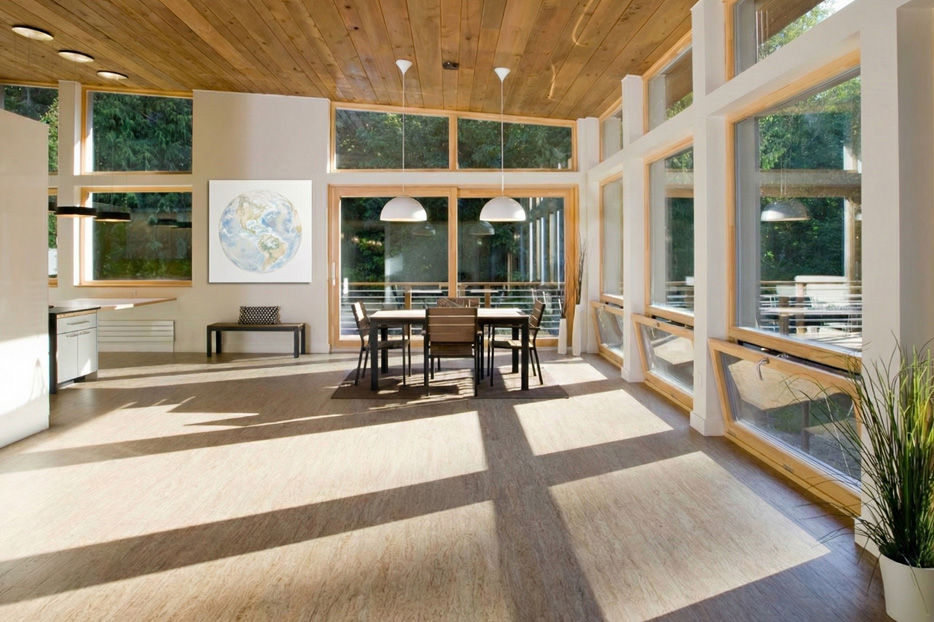
Is it possible to live in a home designed for superior energy efficiency, comfort, and indoor air quality? A home that relies on natural energy sources and reduces the need for traditional heating and cooling systems? Yes, to all. This is known as passive house design, which is based on five core principles that combine smart design with energy efficiency for maximum comfort and durability:
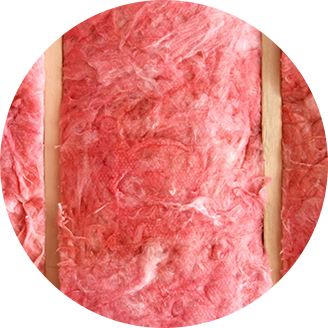
1. Continuous Insulation
Continuous insulation simply means walls, roofs, and floors are heavily insulated without gaps, creating consistent indoor temperatures year-round. Cold air stays out in the winter, and heat stays out in the summer.
2. Airtight Construction
A continuous, unbroken barrier — made with materials like membranes, tapes, and sealants — creates a "windbreaker" effect. This airtight construction seals the building envelope (the roof, walls, windows, and doors), preventing drafts and uncontrolled air leakage. This reduces energy loss and helps maintain indoor air quality and comfort.
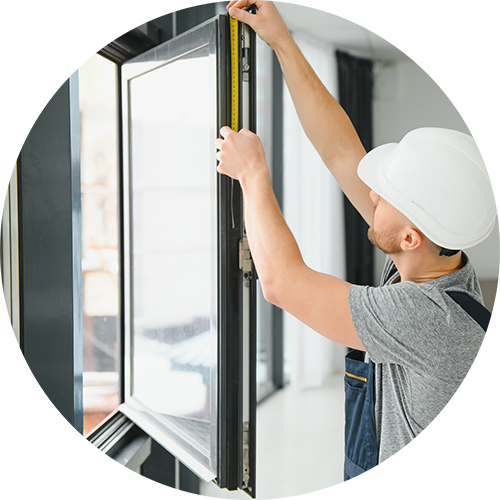
3. High-Performance Windows and Doors
Constructed with triple-pane or insulated frames, high-performance windows and doors have a big impact on temperature control. These highly efficient features capture sunlight, reduce heat loss, and minimize heat transfer and condensation.
4. Balanced Ventilation with Heat Recovery
Ever wanted to open a window for fresh air in the middle of winter? The temptation can be real! In passive house design, a Heat Recovery Ventilation System (HRV) ensures continuous fresh air without wasting heat — crucial in an airtight structure.
5. Minimal Thermal Bridging
“Thermal bridges” are points in a structure where heat can easily escape or enter. Passive design eliminates these weak spots in insulation, requiring smaller, less energy-consuming heating and cooling systems, or none at all.
Big Benefits and Big Momentum

Lower energy bills, year-round comfort, better indoor air quality, and a smaller carbon footprint: This is the promise of passive house design. Passive houses can consume up to 90% less energy for heating and cooling compared to conventional buildings*. Not to mention, the airtight envelope also provides excellent soundproofing in homes. These design concepts work for both new builds and retrofits, increasing durability and longevity. With all these benefits, it’s no surprise passive homes have gained momentum with architects, builders, and homeowners nationwide.
*Source: Passivehouse.com, "What Is a Passive House?" 2024


Comments