
5 Ways to Make Your Home More Climate-Resilient
One of the most important ways your home protects you and your loved ones is by keeping you safe from the elements. But is your home truly climate-resilient in the face of extreme weather? From heavy rains to scorching heat waves, weather patterns are getting less predictable. As a homeowner, this can feel a bit overwhelming.
But there's good news! A few smart upgrades can make your home better equipped to withstand Mother Nature's unpredictable moods, protecting your investment and giving you peace of mind.
1. Weather-Proof Your Roof
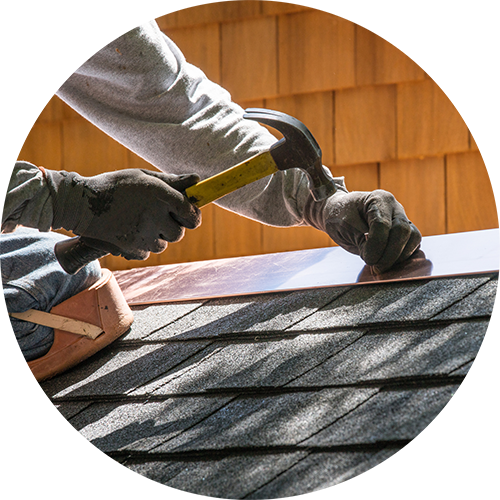
Not sure where to start? Start at the top. Your roof is your first line of defense against torrential rains, electrical storms, intense sun rays, and many other forms of extreme weather. If your home is susceptible to hurricane season, consider reinforcing your roof by adding hurricane straps to connect the roof to the walls. Installing a "cool" or reflective roof helps reflect sunlight and reduce heat absorption during endless summer heatwaves. Additionally, if you live in an area that is prone to wildfires, installing fireproof attic vents to prevent sparks from igniting in your attic could help avoid irreparable damage.
2. Upgrade Your Windows for Protection and Efficiency
Upgrading your windows can help reduce damage during the worst of storms and also boost energy performance. Here are three options to consider:
Impact-resistant windows: These have stronger glass and are permanently installed for year-round protection against impacts like flying debris during storms.
Storm windows: These are a secondary, insulating layer installed inside or outside primary windows, offering energy savings and insulation but no impact protection.
Storm shutters: These are external, removable coverings that provide temporary protection before a storm, and can help minimize any damage.
3. Help Prevent Water Damage and Flooding
The mere mention of the word “flooding” can send a homeowner into a slight panic. But a few proactive steps can make a big difference, like installing water leak sensors and backflow valves. Water leak sensors detect water and trigger alarms, while backflow valves prevent contaminated water from flowing back into the clean supply. Sensors should be placed near water sources like heaters, sinks, and appliances, while backflow valves are installed on the main water supply line by a professional plumber.
Keeping HVAC units and water heaters elevated off the ground can also help prevent or minimize water damage. If your home is in a flood-prone area, it may be worth improving drainage and grading by ensuring the land around your home slopes away from the foundation. Installing a sump pump to quickly remove water can greatly help with any flooding cleanup.
4. Invest in Backup Power
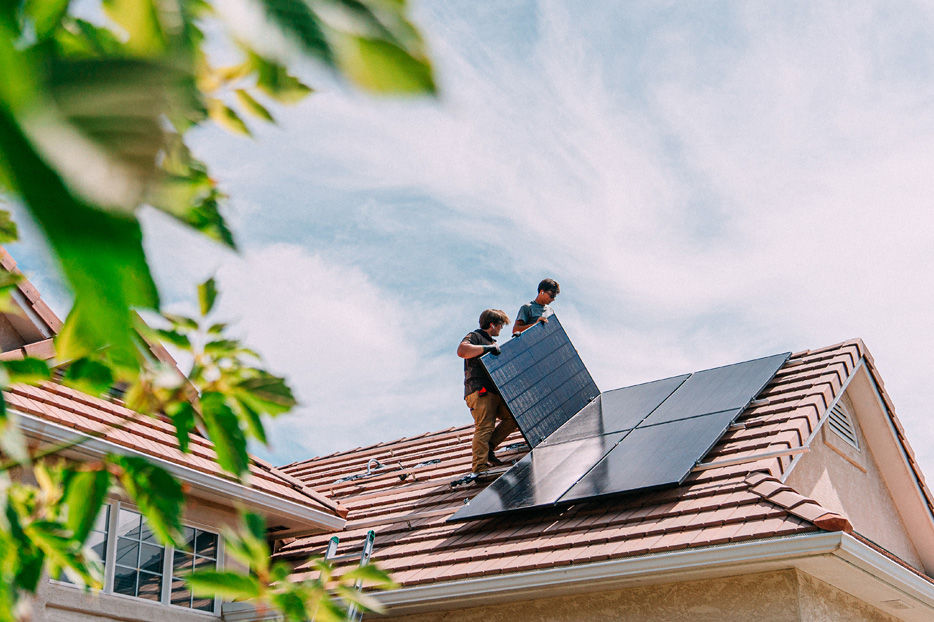
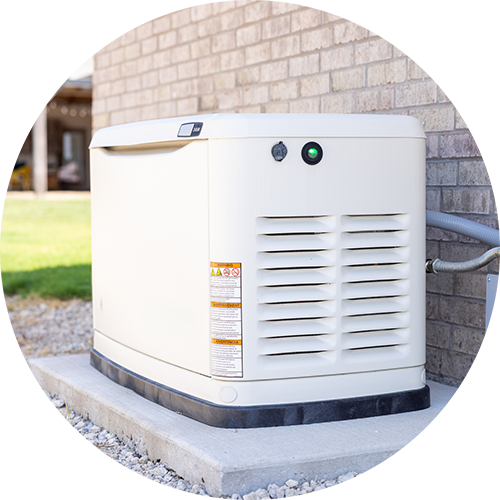
Power outages can happen quite frequently and in all seasons. Stay a step ahead during the next outage by keeping a portable battery pack or small generator for essential devices and installing whole-home surge protection for electronics. Additionally, solar panels — especially those with a battery backup — have become increasingly popular in many homes due to their reliability in providing power during outages and reducing reliance on the grid.
5. Don't Forget Your Great Outdoors
Keeping both the inside and outside of your home climate-resilient is equally important. Secure outdoor furniture and décor to prevent them from becoming flying debris during hurricanes and high winds. If you live in a wildfire-prone area, replace mulch with gravel and use fire-resistant plants and landscaping to help slow the spread of fires.
Ready to make your home more climate-resilient?
Talk to your mortgage lender about tapping into your home's equity to help fund these upgrades. Remember, small steps add up to big protection, and it's worth considering these upgrades as you plan for your home's future.


Comments